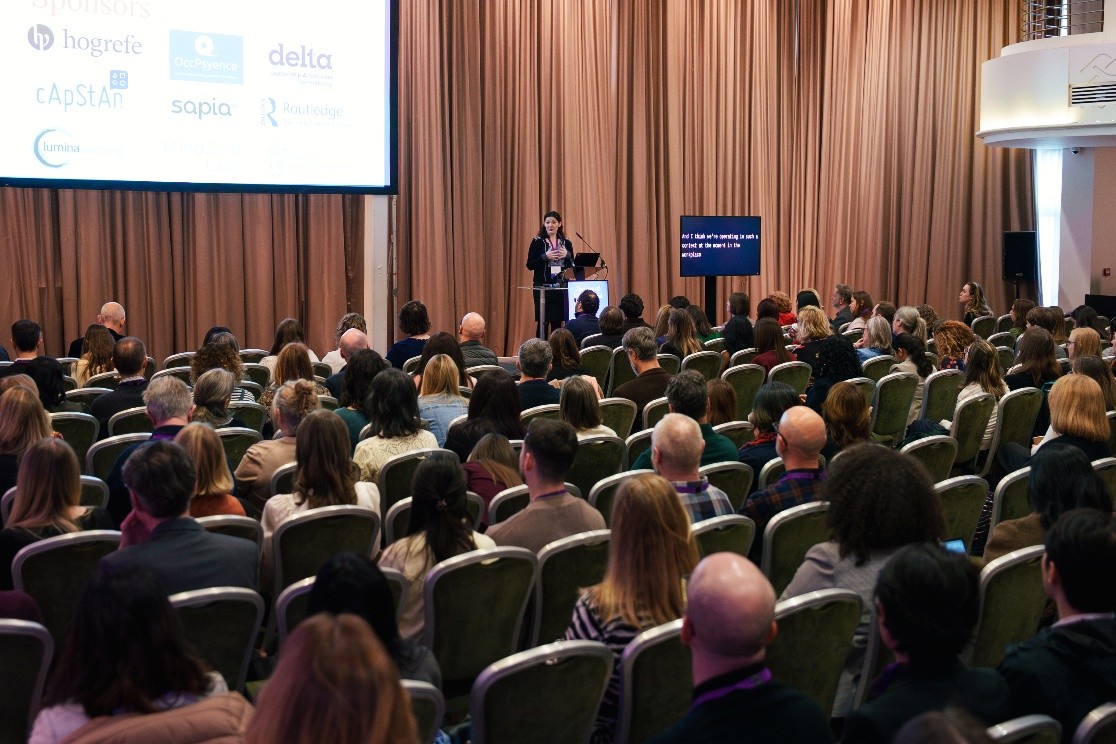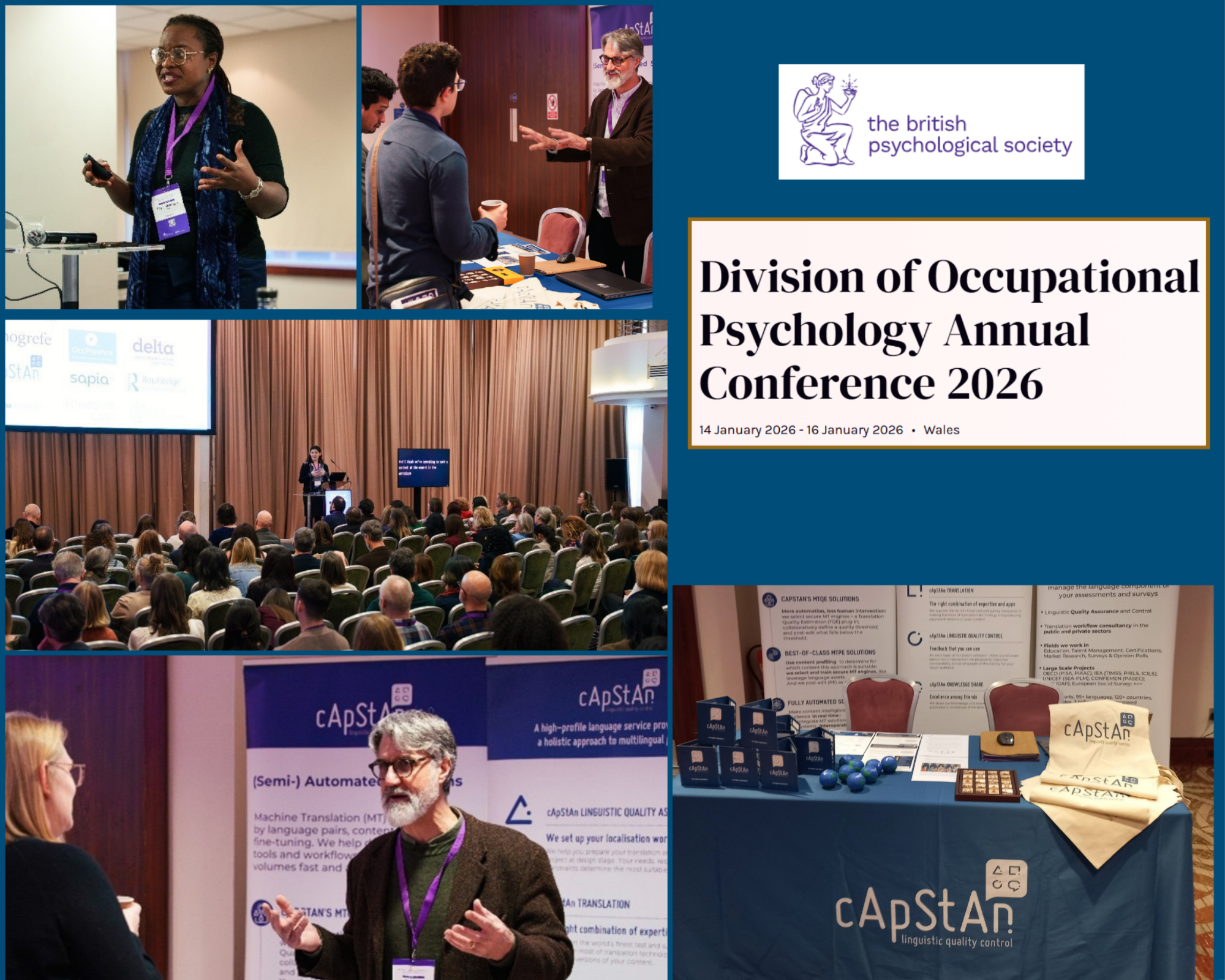
The British Psychological Society’s DIVISION of OCCUPATIONAL PSYCHOLOGY (DOP) Annual Conference, Cardiff, January 14-16, 2026
By Steve Dept – Founder, cApStAn
The proud city of Cardiff played host to DOP annual Conference and, for three intensive days, the Welsh scene was abuzz with notions such as inclusive leadership, work as a health outcome (and vice versa), pragmatic mindfulness, upskilling, corporate culture, neuro-inclusion, the Big Five, the Great Eight, or AI-driven assessments. The DOP, or Division of Occupational Psychology is the largest Division of the British Psychological Society, and brings together academics, HR professionals, coaches, psychometricians, and students. The conference theme was enticing: Science and Practice: Real Talk on What Works. I don’t think we succeeded in solving the mystery of why some line managers seem to be chosen by lottery, but we did learn, among other insights, that drivers and outcomes of job satisfaction can be measured, that there is a space where science meets practice at work, and that inclusiveness supports high performance on the job.
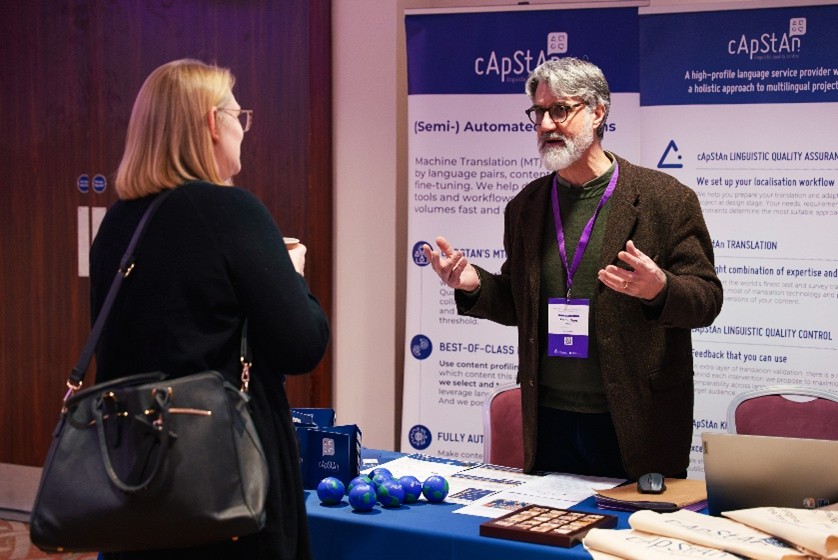
You may ask yourself why a Belgian niche language solutions integrator such as cApStAn would sponsor a conference in Wales that is mainly intended for British occupational psychologists. Well, measurement instruments are at the heart of our niche, and our craft lies in that sweet spot at the intersection of linguistics, psychometrics and language technology: assessments that aim to be inclusive may need to remove social markers from the language used in the test items, or the English proficiency level needed to take a test may need to be lowered to avoid that reading literacy would come and blur the construct you want to measure. If assessments need to be administered in multiple languages or cultures, there needs to be a process to use AI with discernment and to integrate expertise at the right point in the workflow. We can help. That is our core activity.
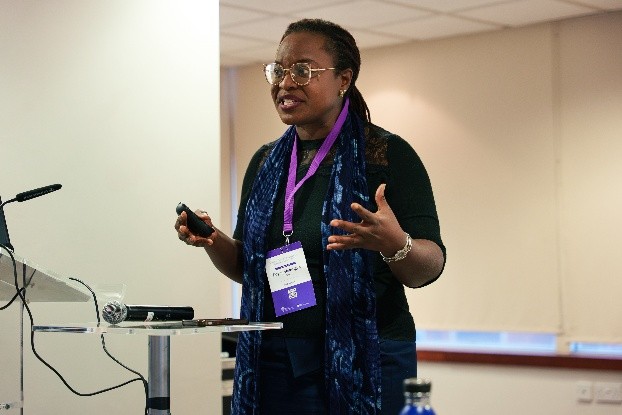
We caught up with organisations we work with (it was great to exchange notes with Stewart Desson, Jonathan Cannon, Natalia Robak and Julia Suchenek from Lumina Learning and with Doyin Atewologun from Delta), with experts in the field who have become friends over time (Gerianne de Klerk-van Someren, Emma Stirling, Christos Malliaros, Rainer Kurz), and we had lively discussions with start-up founders, researchers and consultants in the field (Trymore Mudzi, Sarah Clarke, Julianna Walsh, Stephen Woods, Geoff Trickery, Harriet Grinyer-Doswell). Three days during which I learnt a lot, shared quite a bit, and felt energised by promising conversations.