Progress in International Reading Literacy Study (PIRLS) 2026 by IEA

About the Study
Progress in International Reading Literacy Study (PIRLS), conducted by the International Association for the Evaluation of Educational Achievement (IEA) every five years since 2001, serves as the international benchmark for evaluating trends in reading performance among fourth-grade students (in most countries, 9-11 years old). The IEA has enlisted cApStAn’s help to maximise cross-language and cross-cultural comparability of the reading assessments and contextual questionnaires for every iteration of the study since the second cycle (PIRLS 2006). This article is about the sixth cycle, which is the fifth in which we have participated.
Project Scope
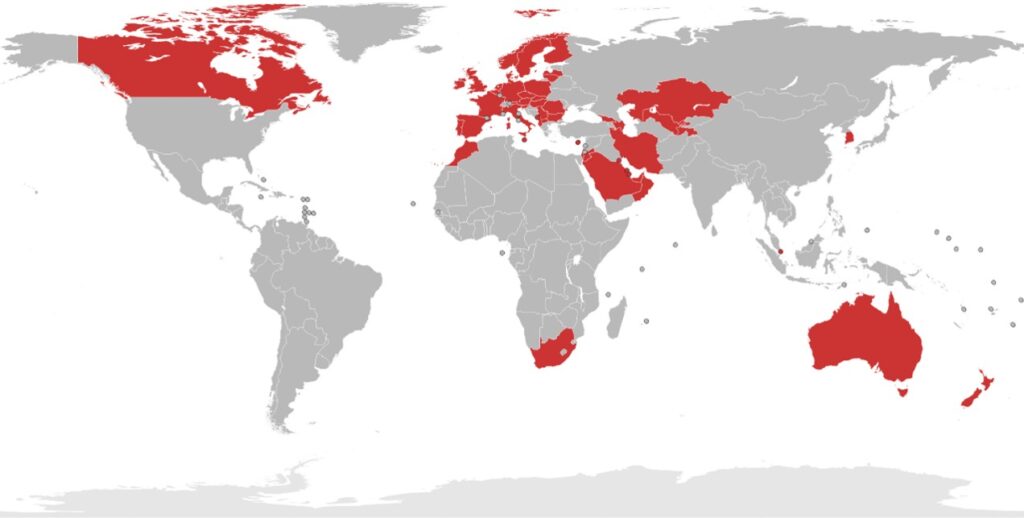
Around 400,000 students, 20,000 teachers, and 13,000 schools participate in the PIRLS study.
There were two sets of materials used in the study:
- Questionnaires (QQs): Home (HQ), School (SchQ), Student (StQ) and Teacher (TQ)
- Assessment Items: Passages, e-Pirls tasks, Directions and system messages
The study included participation from multiple stakeholders:
- Country teams
- International Study Centres (ISC)
- IEA team
- cApStAn verifiers and project managers
Methodological Approach
In this PIRLS cycle, for the first time, the draft source materials were subject to a translatability assessment (TA) before the field trial (FT). This helped make the source more translation-friendly and raised authors’ awareness of potential difficulties in adapting certain questions into specific languages.
Seven linguists representing different language groups were selected. Their tasks were to:
- identify and describe any translation, adaptation, or cultural hurdles arising from the current wording of the source version, including ambiguity and unnecessary complexity; and
- document those issues using intervention categories and accompanying recommendations.
At the Linguistic Quality Control (LQC) stage – both during the field trial (FT) and main data collection (DC) – cApStAn carried out translation verification, which involved a systematic comparison of each target version to the international source version, and thorough documentation.
The goal was to verify the linguistic correctness of the national versions of the test instruments and their equivalence to the international source. The verifiers were instructed to assess whether the translation and adaptation guidelines were followed, and to identify potential equivalence issues. Their role was to suggest alternative translations that would improve the accuracy and comparability. Verifiers were also requested to check the cultural adaptations suggested by the country and to ensure correct and consistent implementation of such adaptations, following the style guide.
Challenges
- In the majority of versions, the translation quality was good or very good, which allowed verifiers to focus on adaptation and equivalence issues. Only in a few cases, the level of quality was inadequate. When verifiers informed cApStAn about the issue, IEA was also informed immediately and the task was sent back to the country team for further review before verification.
- Verifiers had to ensure that the form of address and register were appropriate for the target audience, as it differed across materials: the HQ is answered by students’ parents or guardians, the TQ and the SchQ are answered by teachers and principals, while the StQ addresses the pupils.
- In multilingual, multinational, and multicultural surveys, many issues go beyond the simple detection of translation errors. Ensuring linguistic equivalence and preserving the cultural relevance of adaptations are equally critical. Verifiers and project managers frequently needed to conduct in-depth investigations, including examining local education systems. For this reason, it was preferable for verifiers to reside in the country where the study is conducted.
- At times, perusing documentation proved to be time-consuming and verifiers needed to be reminded that their linguistic and equivalence issues require their undivided attention. Their comments had to be clear and concise, so that they are understood by all parties.
Outcome Achieved
The combined TA and LQC workflow added value at both the source and target stages of PIRLS 2026. Conducting TA before the FT helped to identify potential translation, adaptation, and cultural issues at an early stage, making the source materials more translation-friendly, reducing ambiguities, and raising awareness of recurring cross-linguistic challenges.
During the LQC, targeted verifier interventions helped ensure linguistic correctness, semantic equivalence, appropriate register for different respondent groups, consistent implementation of project guidelines, and increased comparability across languages and cultures. Together, these steps supported the delivery of high-quality, internationally comparable instruments for both the FT and the main DC.
The project further consolidated cApStAn’s long-standing collaboration with IEA on PIRLS. Continued cooperation across PIRLS cycles reflects the client’s confidence in cApStAn’s ability to deliver high-quality, internationally comparable instruments and to support complex multilingual assessment workflows through close collaboration with all stakeholders.
Want to try this out on your materials?
Select some sample items, and request a free pilot at hermes@capstan.be or contact us via the form below for more details.